Flood cleanup
When floodwater leaves floors, belongings, or rooms wet, cleanup means addressing both the water you can see and the moisture left behind.
- ✓ Open 24 hours, 7 days a week
- ✓ Serving San Diego County, Carlsbad, Chula Vista and 16 more areas

Standing water is only part of the problem
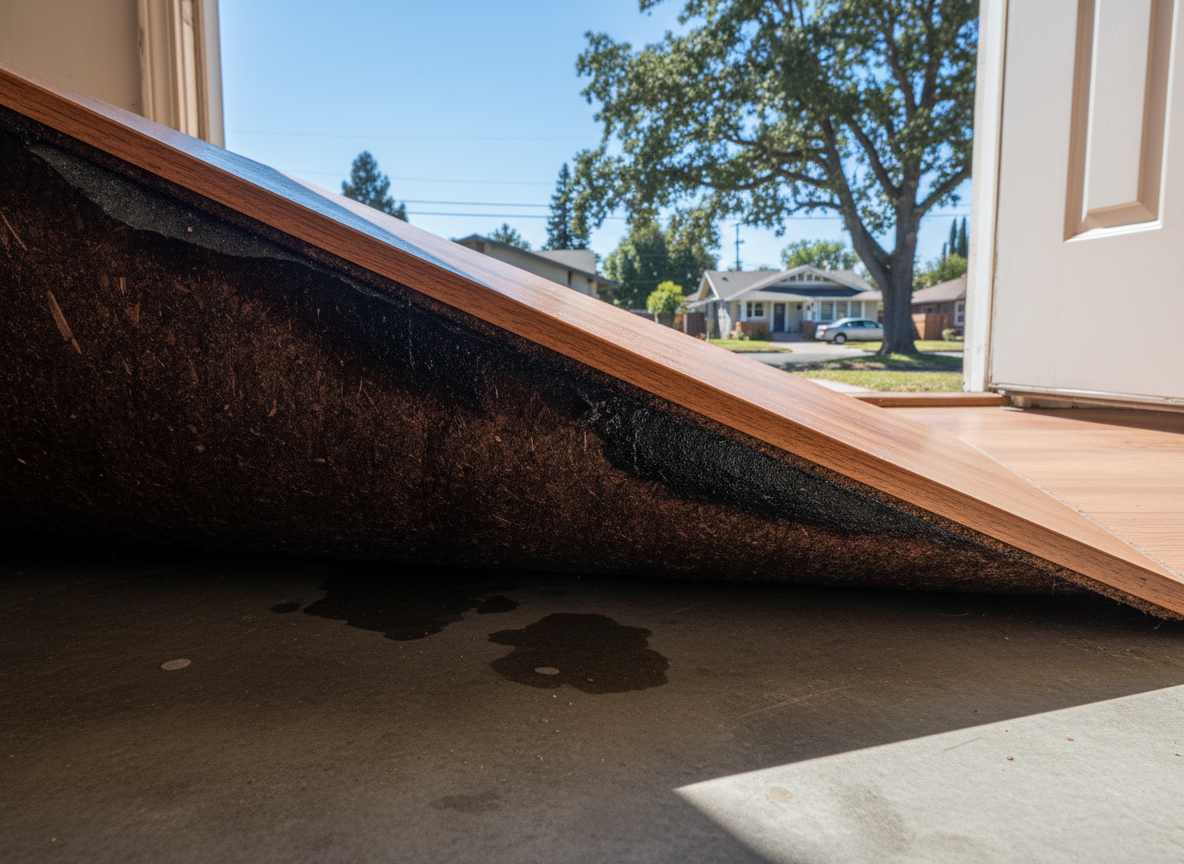
Flood cleanup generally involves removing accumulated water, addressing affected materials, and allowing wet areas to dry. The work needed depends on where the water went, what it contacted, and how long materials remained wet.
A floor that looks clear is not necessarily dry throughout. Moisture can remain beneath flooring, behind finishes, or inside absorbent materials. That is why judging the situation only by the visible puddles can leave part of the problem overlooked.
When a mop is not enough
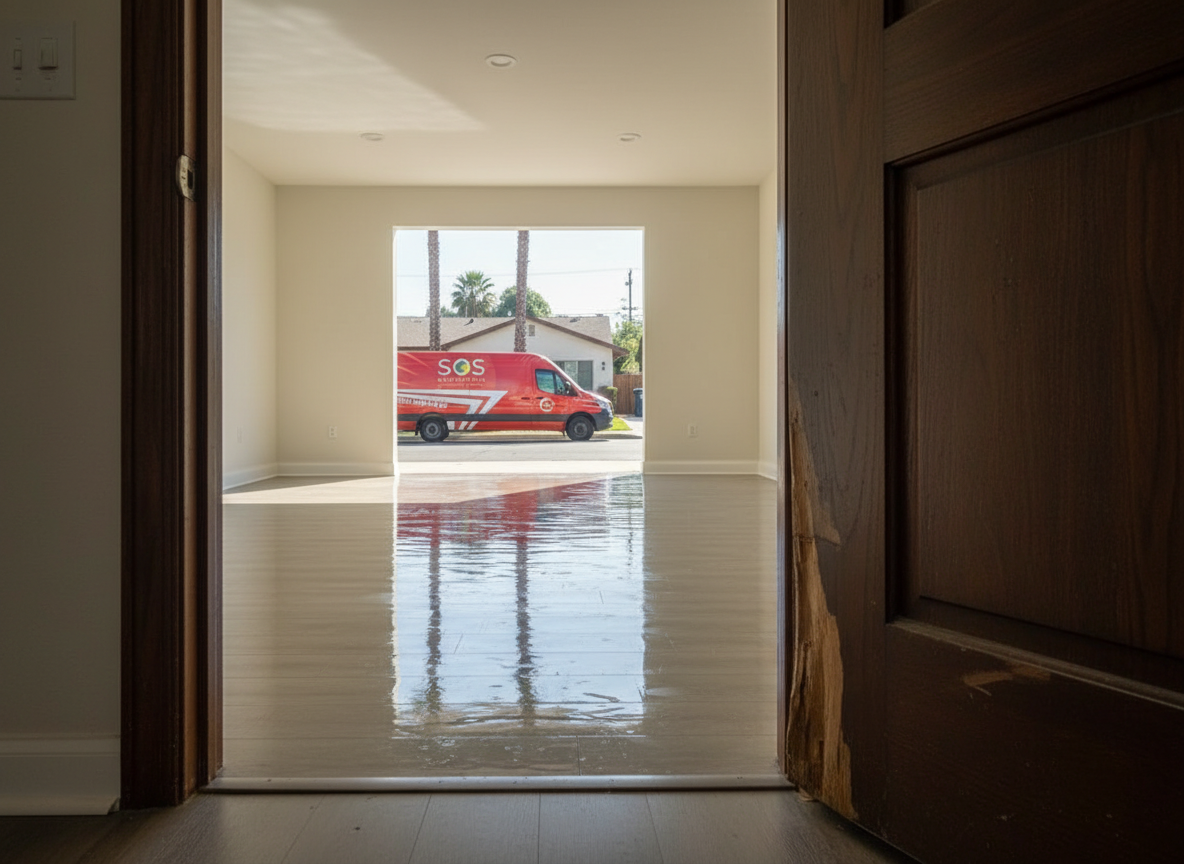
Professional flood cleanup is worth considering when water has spread across rooms, soaked building materials, or reached spaces you cannot readily access. Uncertainty about the water’s source is another reason to seek guidance before handling affected items.
The need is not determined by water depth alone. A shallow spread across a large area can affect more materials than a deeper pool confined to one spot. When discussing cleanup, describe both the visible water and any nearby areas that feel damp or show signs of water exposure.
The source and affected materials shape the work
Not every flooded space presents the same cleanup needs. The source of the water matters because it affects how safely materials can be handled. Flooring, wall finishes, furniture, and stored belongings also respond differently to getting wet.
Some items may be candidates for cleaning and drying; others may not be practical to keep. Those decisions depend on their condition and exposure, rather than a blanket promise that everything can be saved. Before authorizing work, ask which areas and materials the proposed scope covers.
Avoid entering standing water when electrical hazards or contamination may be present.
A useful estimate makes the scope clearer
An estimate is an opportunity to understand what you are being asked to approve. Ask which affected spaces are included, what work is proposed, and whether any decisions depend on conditions that are not yet visible.
It also helps to distinguish cleanup from any additional work the property may need afterward. Removing floodwater does not, by itself, mean every affected surface or item has returned to its previous condition. Clear expectations make it easier to discuss what comes next without assuming everything falls under one task.
Support when you need to make decisions
SOS Restoration Of San Diego County provides flood cleanup, with 24/7 emergency services, free estimates, and insurance claim assistance available. That gives you a place to turn when you need to discuss the damage and ask about getting started.
The business has a 5-star rating across 11 reviews. Alongside that customer feedback, use your conversation to ask questions about your property and the proposed work, so your decision reflects the situation in front of you.
Questions before arranging flood cleanup
How much will flood cleanup cost?
Cost depends on the affected area, the materials involved, and the work required. Request an estimate for your situation and ask what is included before approving the scope.
How long will the cleanup take?
The amount of water, access to affected spaces, and moisture retained in materials can influence timing. Ask about the expected duration for your property rather than relying on a general deadline.
Can my belongings be saved?
That depends on each item’s material, condition, and exposure. Discuss affected belongings before assuming they must all be discarded or can all be kept.
Will insurance pay for the work?
Coverage depends on your policy and the circumstances of the loss. Confirm coverage with your insurer; help with a claim is not a guarantee of payment.
Talk through your flood cleanup needs
Contact SOS Restoration Of San Diego County to request a free estimate. Describe where the flooding occurred, what appears affected, and any immediate concerns so you can discuss the next step.