
Insurance Claim Assistance
When property damage leaves you facing an insurance claim, assistance can help you approach the next conversation with clearer questions.
- ✓ Open 24 hours, 7 days a week
- ✓ Serving San Diego County, Carlsbad, Chula Vista and 16 more areas
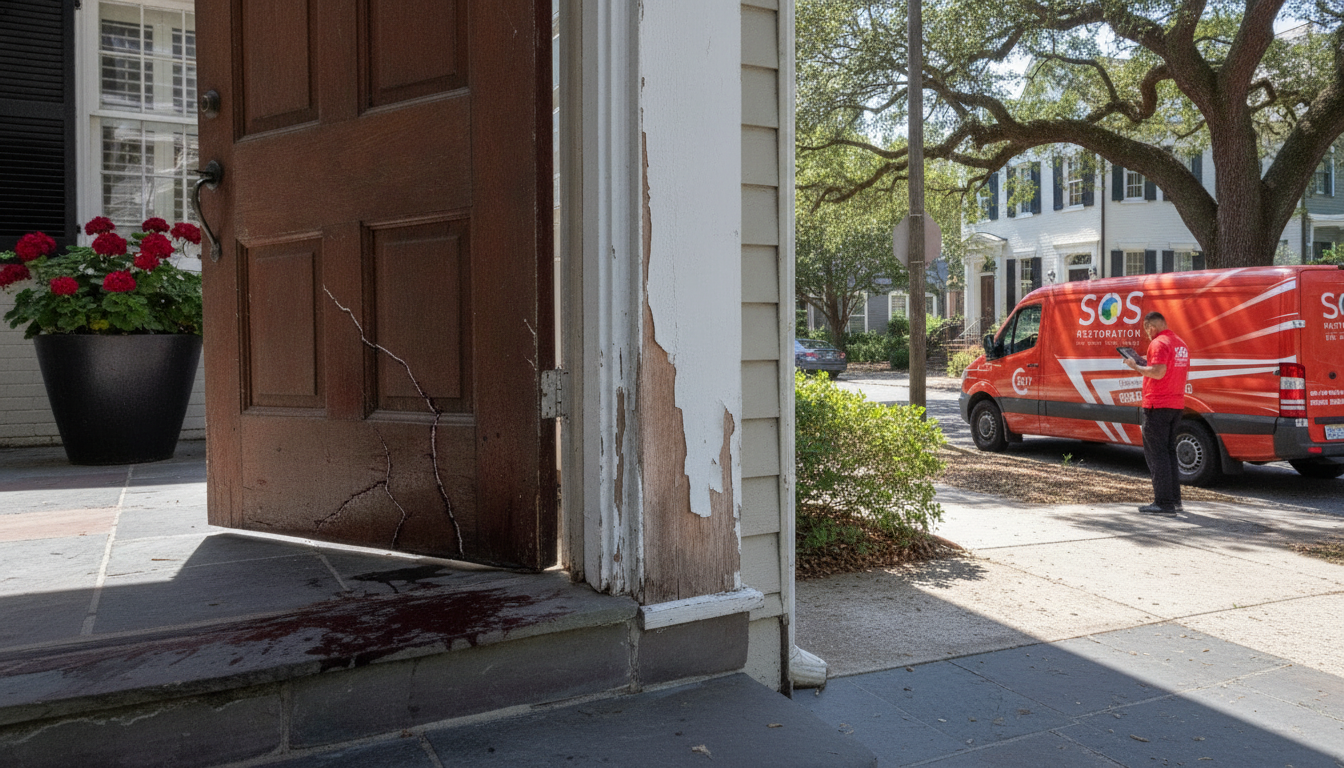
A repair estimate and a coverage decision are different

An insurance claim brings together two related questions: what work does the property need, and what will the policy cover? Those questions matter to the same project, but they are not interchangeable. An estimate describes proposed work and its cost; a coverage decision depends on the policy and the insurer’s review.
Insurance claim assistance provides support with the claim-related side of a damage situation. Before choosing that support, understand which tasks are included and which responsibilities remain with you. That distinction helps you set expectations without treating assistance as a promise of payment.
Uncertainty is a reason to ask for help
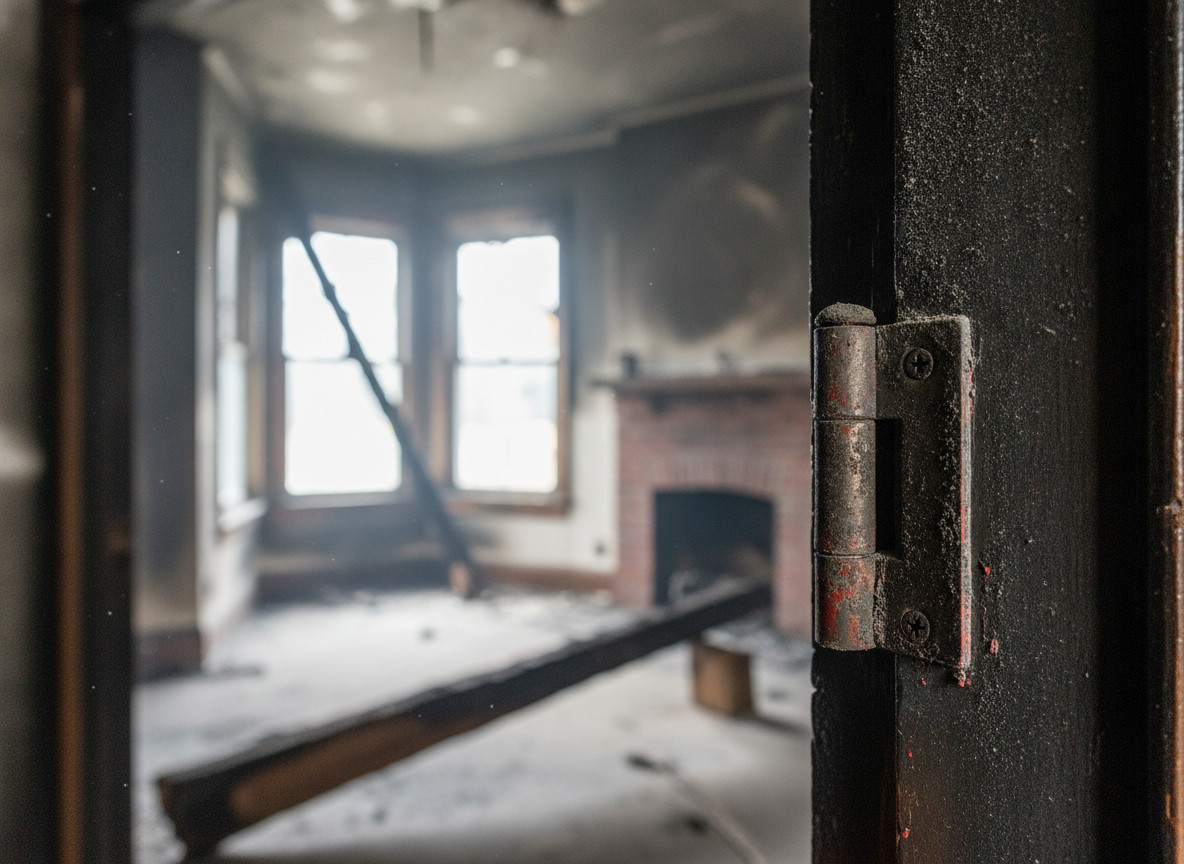
You may be considering assistance because you are preparing to report damage, reviewing an estimate, or trying to understand a request from your insurer. You do not need to have every answer before asking about the service.
A useful starting point is identifying the question you cannot yet resolve. Is it about the damage itself, the proposed work, or an insurance requirement? Separating those questions can make a complicated situation easier to discuss and help you decide what kind of support to request.
Organize the information behind your questions
Claim-related conversations are easier to follow when the relevant information is together. Depending on your situation, that might include your policy, claim number, photographs, estimates, receipts, and messages from your insurer. These are examples of potentially useful records, not a universal submission checklist.
Keep original records and note any instructions or deadlines your insurer provides. If something is unclear, ask what is needed, why it is needed, and when it is due. A clear question is more useful than an assumption about what the next step should be.
Agree on the assistance before moving forward
Before engaging a provider, ask for a clear description of the work. Insurance claim assistance can mean different things in different arrangements, so the service name alone should not substitute for an explanation.
Ask which claim-related tasks the provider will handle, what information you need to supply, and whether you will remain the main contact with your insurer. Also clarify any charges and how they relate to other proposed work. Establishing those expectations early gives you a better basis for deciding whether the arrangement fits your needs.
Ask SOS Restoration Of San Diego County about your claim
SOS Restoration Of San Diego County offers insurance claim assistance. Tell us where you are in the claim and which questions are holding you up, so you can discuss the service in the context of your situation.
The goal of that first conversation is a clear decision about the support you are seeking—not an assumption about your policy’s outcome.
Questions before you get started
Can assistance guarantee that my insurer will pay?
No. Assistance should not be treated as a coverage guarantee. Payment depends on the policy, the circumstances of the loss, and the insurer’s review.
What should I have ready when I contact you?
Start with a brief description of the damage and where things stand with your insurer. Have any existing claim correspondence or estimates available for reference, and ask what else is needed.
Are free estimates available?
Yes. SOS Restoration Of San Diego County offers free estimates. Ask about an estimate for your situation when you contact us.
Should I wait until I understand every part of the claim?
You can ask about assistance while questions remain. Be clear about any insurer instructions or deadlines you have already received.
Discuss your next step
Contact SOS Restoration Of San Diego County to discuss insurance claim assistance and the questions you want help addressing.